Finding Value In Turtle Run’s Lakefront Homes
March 24, 2026
March 24, 2026
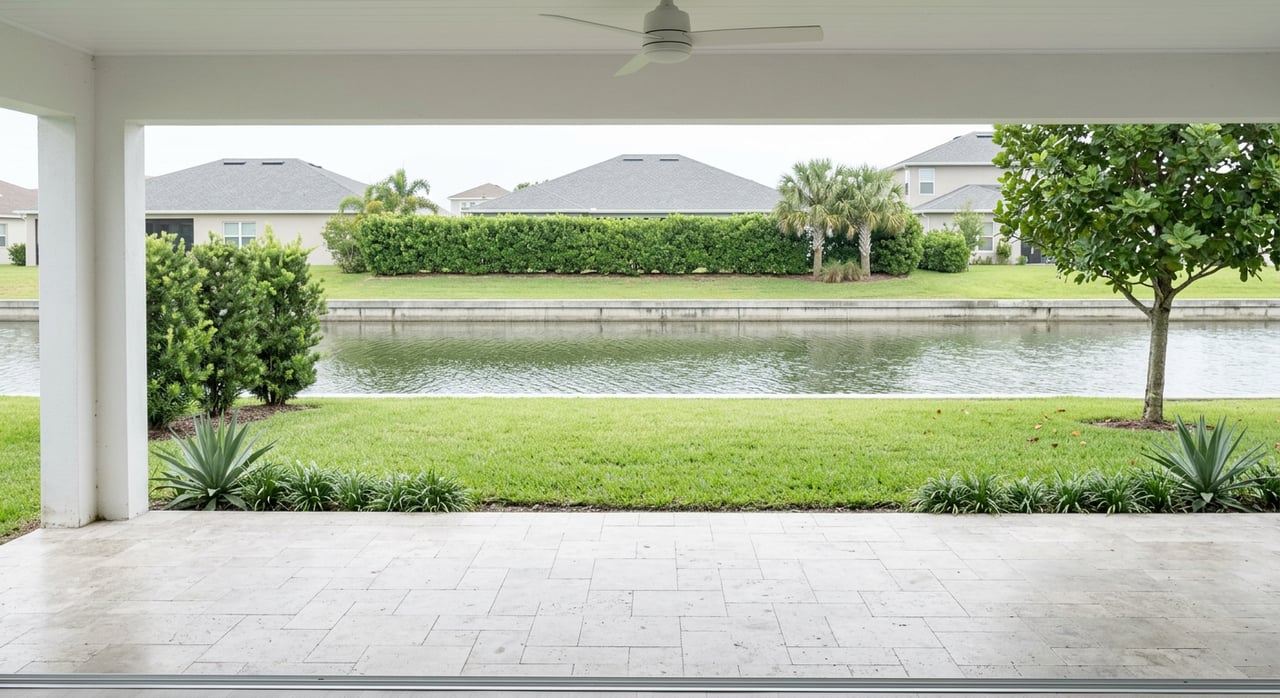
Picture your morning coffee with wide‑open water views and birds skimming across a calm lake. In Turtle Run, you can get that “lake life” feel without paying ocean or big‑lake prices. If you are weighing value, though, it pays to look under the surface — the lakes here are part of the community’s stormwater system, and that shapes both pricing and monthly costs. In this guide, you’ll learn how Turtle Run’s lakefront value works, what to check before you buy, and how to estimate a fair premium with confidence. Let’s dive in.
Turtle Run sits in Coral Springs, Broward County, within the greater Fort Lauderdale area. The community blends single‑family sections with condo and townhome pockets, plus several apartment communities and nearby shopping. That mix helps keep prices varied while still delivering a clean, landscaped feel.
Water is the visual anchor. The Turtle Run Community Development District reports 14 lakes totaling about 68.6 acres, and notes the lake system is the community’s stormwater drainage network. Maintenance follows South Florida Water Management District guidelines, and Broward County controls water levels. You get attractive water views with managed edges and fountains, which many buyers love for daily living. You can read more about the lake system on the district’s services page.
Public amenities round it out. Turtle Run Park offers fields, paths, and play areas, adding everyday convenience for residents looking for nearby outdoor space. See the city’s description of Turtle Run Park for details.
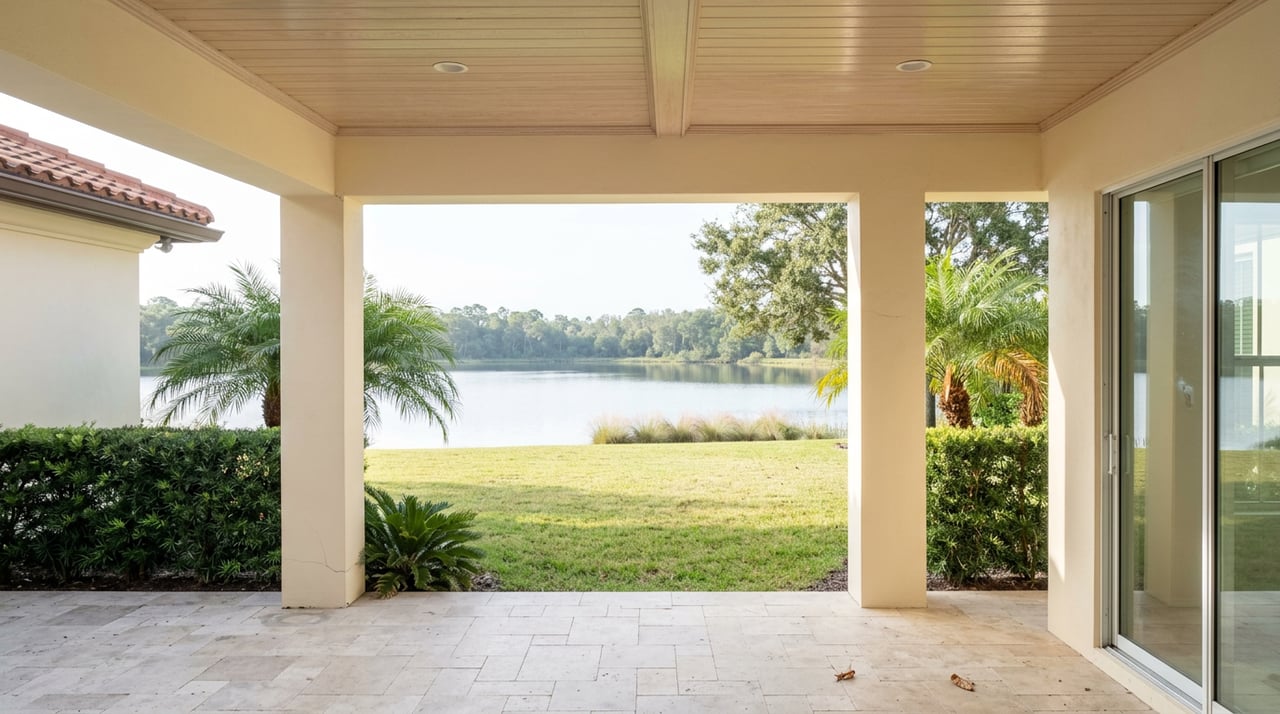
Not all waterfront is valued the same way. In Turtle Run, most “lakefront” lots sit on CDD‑managed stormwater lakes. That usually means strong aesthetics, walkable views, and fountains, but little or no private boating or dock privileges. Because recreational access is limited, the price premium tends to be smaller than homes on navigable canals, the Intracoastal, or large natural lakes. The district confirms the lakes’ stormwater function on its services page.
This pattern matches valuation research. Studies show waterfront premiums vary widely and depend on size, water clarity and quality, access, and local scarcity. When buyers can swim, boat, or otherwise recreate, premiums tend to rise; when water is primarily for retention, premiums are more view‑driven. For background, see this review of the value of water quality, and this UF/IFAS explainer on stormwater ponds.
Bottom line: in Turtle Run, you are typically paying for a peaceful, maintained water outlook more than full recreational use.
Neighborhood‑level medians move around because Turtle Run mixes single‑family homes, condos, and apartments. Public portals recently showed medians in the 600s to mid‑700s, with listings ranging from the low 400s up to the high 900s, depending on size, condition, and whether a home fronts the water. Individual 2025 lakefront sales clustered near the upper end of that range. Non‑lake and smaller homes in 2024–2025 often traded between roughly the low 300s and mid‑500s, which shows how lot, finish level, and view shift pricing.
Because sample sizes are small, the best way to understand value is to pair similar homes on the same street or builder series. That approach reveals the real local lake premium without the noise of condos, townhomes, and very different floor plans.
Many buyers look at list price and taxes, but there is a key line item in Turtle Run you should not miss.
The Turtle Run CDD levies non‑ad valorem assessments that appear on the tax bill. In the FY2026 adopted budget, the example for Series 2017‑1 Residential Single‑Family shows an annual maintenance assessment of about 4,348.34 dollars and an annual debt assessment of about 1,456.70 dollars, for a total near 5,805.04 dollars. That is roughly 484 dollars per month added to your carrying cost. Review the district’s figures in the adopted budget.
Why it matters: the CDD funds maintenance tasks such as lake weed control, fountain upkeep, and even iguana management. The manicured look is not free; it is built into the assessment you pay.
HOA or condo dues vary by sub‑community and unit type. Single‑family sections often have modest quarterly dues, while condo and townhome pockets can be higher each month. Always verify the latest figure and what it covers in the listing or association documents.
Flood risk and insurance deserve attention. Because the lakes are part of the stormwater system, check your parcel’s FEMA flood zone and get a flood‑insurance quote early. Use the FEMA Flood Map Service Center to look up the official map for the address.
You can estimate a fair lake premium with a simple, appraiser‑style method.
Portal medians are fine for context, but paired sales give you a truer read at the neighborhood level.
If you are deciding between Turtle Run lakefront and a golf or country‑club community nearby, clarify what you are paying for. Country‑club neighborhoods in Coral Springs often trade at higher medians, and many golf‑course lots sell in the upper 700s to 1 million plus, depending on size and finish. On top of HOA dues and taxes, club communities can include separate initiation and ongoing membership fees.
In Turtle Run, you usually skip club dues, which helps keep monthly costs lower, but you add the CDD assessment that maintains the lakes and common areas. The right fit comes down to whether you want golf and clubhouse amenities, or a quiet lake outlook with a simpler monthly stack.
Use this to move from browsing to confident action:
Turtle Run gives you the calming look of water, extensive green space, and Coral Springs convenience, often at a lower entry point than country‑club communities. The key to finding value is treating the lakes as what they are — a well‑maintained stormwater system that delivers daily beauty — and pricing the view accordingly. When you add the CDD assessment to your monthly plan, verify flood zone, and use paired sales, you can buy the right lakefront home with clear eyes and no surprises.
If you want help pulling the best comps, confirming CDD and flood details, or touring upcoming listings, reach out to Portia Voss. You will get straight answers, local insight, and a plan tailored to your goals.
Stay up to date on the latest real estate trends.

Let’s work together to explore the best of Coral Springs, FL, and discover a home perfectly aligned with your lifestyle and aspirations.