Should You Renovate Before Selling In Coral Springs?
May 28, 2026

May 28, 2026
Wondering whether you should renovate before selling in Coral Springs? It is a smart question, especially in a market where buyers have options and home condition can shape both interest and negotiating power. If you are planning to sell in the next 6 to 18 months, the best answer is usually not a full remodel, but a targeted plan that improves how your home looks, shows, and holds up under scrutiny. Let’s dive in.
In Coral Springs, recent market trackers point to a balanced to somewhat competitive resale market. Homes have been taking about 61 to 66 days to sell, with properties closing around 97% of list price and averaging about two offers.
That matters because buyers still have room to compare homes and negotiate. In this kind of market, condition and presentation often matter more than highly personalized upgrades.
For most sellers, a repair-and-refresh strategy makes more sense than a major renovation. The broader remodeling data show that many buyers are less willing to compromise on a home’s condition than they were in the past, but that does not automatically mean they want you to install a luxury kitchen or redesign the entire house.
Instead, the strongest pre-listing moves are often simple and visible. Painting, roof-related work, cleaning up worn finishes, and addressing obvious maintenance issues tend to do more for resale than expensive custom upgrades.
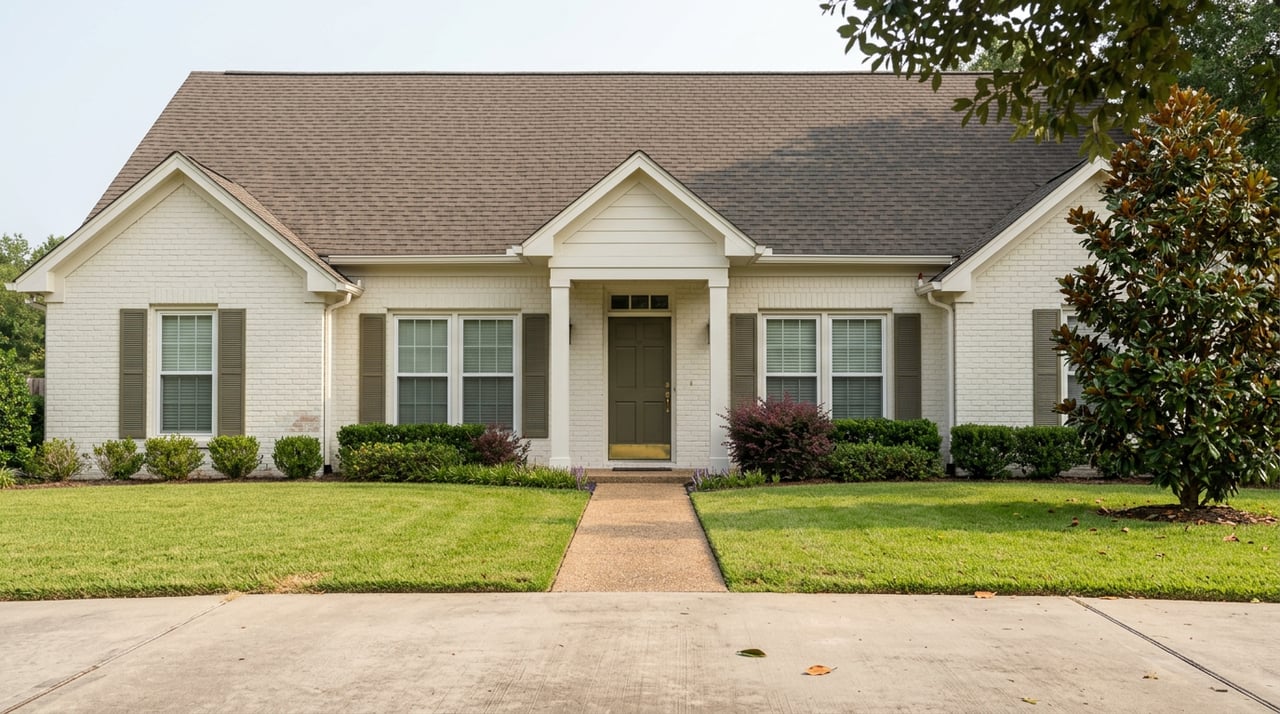
First impressions are doing a lot of work when your home hits the market. Exterior appearance helps attract buyers online and in person, so smaller curb appeal improvements are often well worth the effort.
In Coral Springs, that can mean:
These updates are usually easier to justify than larger outdoor projects. They help your home feel maintained, move-in ready, and easier for buyers to picture themselves in.
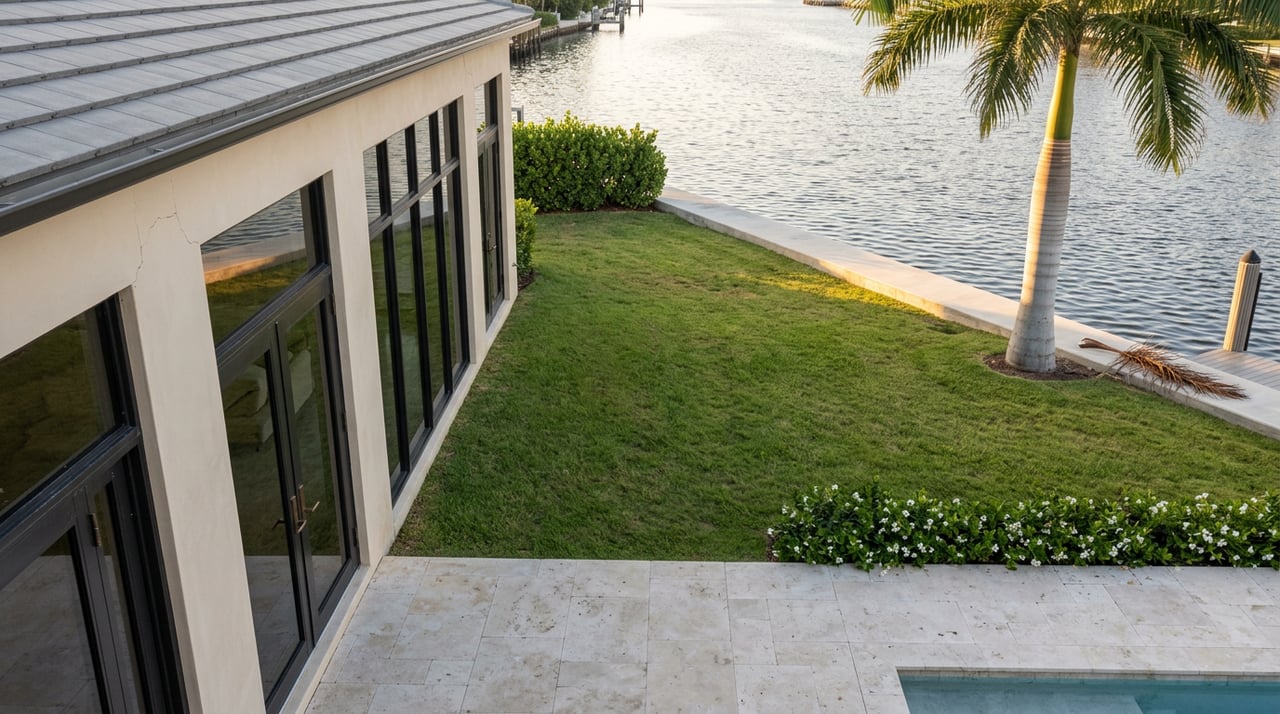
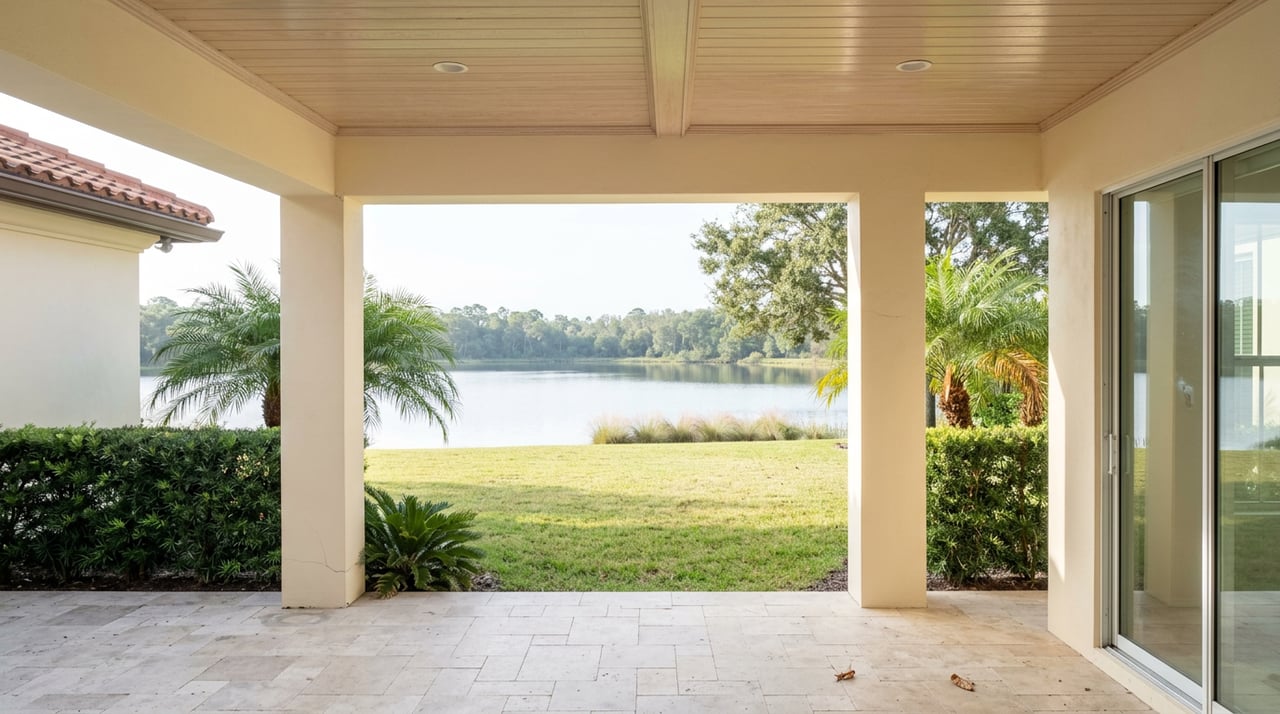
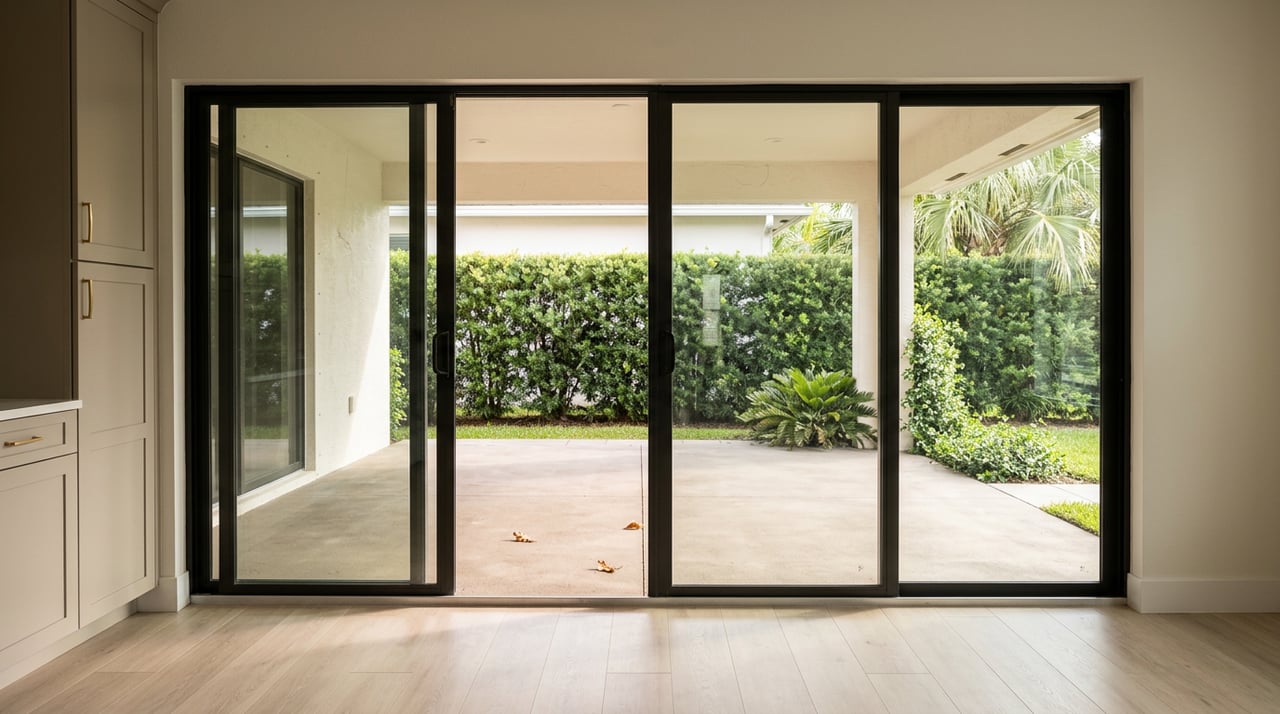
If your home has a patio, lanai, pool area, or backyard, make that space feel clean and functional. Outdoor areas often stand out during showings in South Florida, so presentation matters.
You do not necessarily need to build something new. In many cases, a deep clean, basic touch-ups, and simple staging deliver more value than a big backyard addition right before selling.
Buyers tend to notice deferred maintenance quickly. Scuffed walls, stained flooring, cracked caulk, dated light fixtures, and small plumbing drips can make a home feel less cared for, even when the larger systems are fine.
Before you spend money on a remodel, take care of the basics:
These smaller fixes can improve photos, in-person showings, and buyer confidence.
After cosmetic improvements, turn your attention to the items buyers, inspectors, and insurers may care about most. Roof condition, HVAC performance, plumbing issues, electrical concerns, and damaged openings can affect both offers and the ease of getting to closing.
If your roof is near the end of its life, your windows or doors are in poor condition, or a known system issue keeps coming up, those repairs may be worth more than cosmetic upgrades. Bigger projects make the most sense when they solve a problem that could limit value or create friction during the transaction.
Kitchens matter, but a full gut renovation right before selling is often hard to justify. The data point more toward minor kitchen updates than major overhauls when resale is near.
If your kitchen is functional, focus on what looks visibly dated rather than changing the layout. In many homes, a modest refresh is enough to improve buyer perception.
These changes can make the space feel cleaner and more current without the cost and disruption of a full remodel.
Bathrooms are another area buyers inspect closely. Just like kitchens, the best pre-sale investment is usually a refresh, not a complete rebuild.
If your bathroom works well but looks tired, focus on maintenance and clean finishes. Regrouting tile, replacing old caulk, updating faucets or lighting, and improving storage or mirrors can make a noticeable difference.
A full renovation is more likely to make sense if the bathroom is clearly outdated for the price point, has material damage, or compares poorly with nearby listings.
Flooring is worth attention when it is worn, stained, mismatched, or damaged. Buyers notice flooring in listing photos and open houses, so obvious problem areas can drag down the overall impression.
That said, you may not need to replace every floor in the house. A more practical approach is to update the rooms where wear is most visible or where new flooring will make the biggest impact on the way the home shows.
There are times when a larger renovation is worth it. Usually, that happens when the work solves a real problem that buyers will notice or price into their offers.
A bigger project may be worth considering if your home has:
In contrast, luxury finishes that do not match the neighborhood or price range are often harder to recover at resale. If your home already shows well and compares favorably with other active listings, selling after cleaning, repairs, and light updates is often the safer move.
Before starting any work, check whether a permit is required. Coral Springs states that permits are required to construct, enlarge, alter, repair, move, remove, or demolish a structure.
Some general maintenance under $1,500 may be exempt, but certain replacements still require permits. The city identifies items such as water heaters, A/C change-outs, tub or shower pan change-outs, electrical service work, and fire-related repairs as work that requires permits.
The city also advises homeowners to contact a building inspector before starting a project. If you are planning updates before listing, keeping this step front and center can help you avoid delays later.
If you replace items such as the roof, front door, windows, or garage door, save your permits, invoices, and inspection paperwork. In Florida, documented wind mitigation features can matter from an insurance perspective.
The Florida Office of Insurance Regulation states that insurers must provide discount information for hurricane loss mitigation. Common mitigation features can include wind-resistant doors and windows, shutters, roofing materials, roof-to-wall attachments, and roof shape.
For a seller, good documentation can help support the home’s condition and features during the sale process.
Coral Springs provides Flood Insurance Rate Map information for individual properties, including whether a property is in a Special Flood Hazard Area. If you are making exterior changes such as grading, drainage improvements, patios, or other site work, that property-specific flood context matters.
This is one reason to treat exterior work as more than cosmetic. The goal is not just to make the yard look better, but to make sure any changes fit the property’s broader conditions.
If you are selling within the next 6 to 18 months, use this order of operations:
That final step is important. In a balanced market like Coral Springs, your return depends less on personal taste and more on how your home stacks up against competing listings.
So, should you renovate before selling in Coral Springs? Usually, no major renovation is needed unless your home has a clear problem that affects value, financing, insurance, or buyer confidence.
For many sellers, the better strategy is to clean thoroughly, repair what is worn, improve curb appeal, and make modest updates in the rooms buyers notice most. That approach can protect your budget while helping your home show well in a market where condition still matters.
If you want a practical plan based on your home, your neighborhood, and the current competition, Portia Voss can help you decide which updates are worth doing before you list.
Stay up to date on the latest real estate trends.




Whether you're buying, selling, relocating, or evaluating a real estate opportunity, receive experienced guidance and personalized representation from consultation through closing.