Golf Course Living In Eagle Trace: Perks And Tradeoffs
June 25, 2026
June 25, 2026
Are you picturing peaceful fairway views and a gated address when you think about Eagle Trace? You are not alone. For many buyers in Coral Springs, golf course living sounds like the right mix of scenery, privacy, and lifestyle, but it also comes with rules, fees, and day-to-day realities that are easy to miss at first glance. This guide will help you weigh the real perks and tradeoffs of living in Eagle Trace so you can decide whether it fits the way you want to live. Let’s dive in.
Eagle Trace is an established Coral Springs community that dates back to 1983. The master association says the community includes 903 homes across seven small independent neighborhoods. It also features 24-hour manned guard gates and shared amenities such as five Har-Tru tennis courts, two regulation basketball courts, two pickleball courts, and a playground.
That setup gives Eagle Trace a more layered feel than a typical subdivision. Instead of one uniform neighborhood, you are looking at a master-planned community with multiple enclaves, each with its own character. For buyers, that can be a real advantage because it creates more choice within one recognized address.
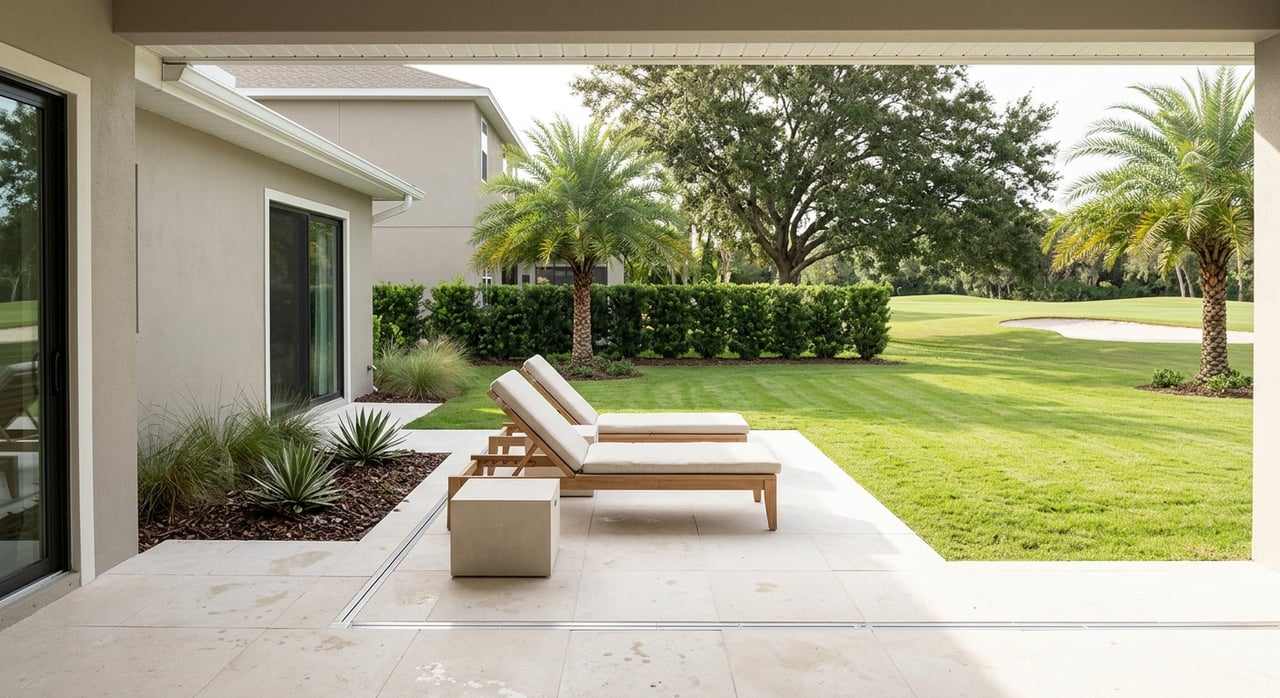
One of the biggest draws is the setting itself. Homes in and around Eagle Trace can benefit from golf-course and water views, which create a more open and scenic backdrop than many inland neighborhoods. If you want a home that feels visually spacious and connected to outdoor surroundings, that is a meaningful plus.
The golf club also brings name recognition. Club information says the course has six sets of tees, plays to more than 7,000 yards from the championship tees, and has hosted the Honda Classic from 1984 to 1991 and again in 1996. The club also says it hosts the Champions Tour Q-School Final Stage every other year, which adds to the community’s golf identity.
For many buyers, that pedigree matters. Even if you are not an avid golfer, there is often appeal in living near a course with a well-known history and a polished landscape. It can make the neighborhood feel established, distinctive, and tied to a specific lifestyle.
Eagle Trace is not only about the course. The master association highlights a broader amenity mix that includes tennis, basketball, pickleball, a playground, and a recreation center and clubhouse system. That gives you more ways to use the community even if golf is not part of your weekly routine.
The social side is also worth noting. The community’s social committee describes recurring events such as holiday parties, outdoor movie nights, ice cream truck visits, and music and comedy nights. If you enjoy a neighborhood that feels active and connected, those details can add a lot to the living experience.
This variety helps widen the appeal. Some buyers are drawn by golf views, while others care more about recreation, social events, and a gated setting. In Eagle Trace, those lifestyle pieces can come together in one place.
This is one of the most important things to understand before you buy. The golf club is a separate operation from the homeowners association. ClubLink’s Eagle Trace pages show both membership options and daily-fee golf, which means golf access is not automatically included just because you own a home in the community.
That distinction matters for budgeting and expectations. If you want regular golf access, you need to look beyond the home purchase and review the club’s current options and costs. If you mainly want the views and the setting, you may not need that added expense at all.
Current daily-fee rates listed by the club range from $70 to $99 depending on the day and time, and member-guest rates range from $65 to $95. Those figures are subject to change, but they show that golf here is part of an active club operation rather than a bundled HOA amenity.
One of Eagle Trace’s strengths is its range of housing types. Official neighborhood examples include single-family homes in Georgetown, Eagle Trace Landing, and Highland Place, while Hamptons includes both single-family homes and condominiums. Other enclaves such as Ascot Villas and Steeplechase offer condominium living.
That variety gives you options based on lifestyle and maintenance preferences. You may prefer a traditional single-family home with more private outdoor space, or you may want a condo setup with fewer exterior responsibilities. Being able to compare both within the same master community is useful, especially if you love the location but want flexibility on upkeep.
Some enclaves also have distinct practical advantages. The Hamptons notes an east-gate location and walking distance to shopping and conveniences. Steeplechase says its maintenance fee includes landscape maintenance, a community pool, a clubhouse, and 24-hour manned access gates.
Eagle Trace is not a one-fee, one-rule community. The official community information shows that the seven neighborhoods operate under both the master association and their own sub-associations. In simple terms, that means the address you choose can affect your monthly costs, rules, and maintenance responsibilities.
The current master-association page lists 2026 assessments at $285 per month. On top of that, some homes may also have separate sub-association fees depending on the enclave. This is one of the biggest tradeoffs for buyers because the community can look consistent from the outside while the ownership structure varies from one section to another.
If you are serious about buying here, one of the smartest questions you can ask is: What does this exact address pay, and what does that fee include? That question can save you from surprises later.
For many buyers, gated access is a major selling point. Eagle Trace uses 24-hour manned guard gates and a structured visitor-management system. Owners can add or remove guests and vehicles through the Entrance IQ app or website, and the community also uses transponders.
That creates a controlled-access environment, which many residents value. At the same time, it adds a layer of day-to-day procedure. Guest transponders cost $50 each with annual renewal at the same price, and the recreation center and clubhouse use mobile-app access with two licenses provided per home.
Guests must be accompanied by a resident in the recreation area. The recreation center is open daily from 5:00 a.m. to 11:00 p.m., but access remains resident-based rather than open to the public. In practical terms, you are trading some convenience for a more managed environment.
Eagle Trace has a clear architectural review process, and this is another area where buyers should pay close attention. According to the official guidelines, many exterior changes require HOA approval and sometimes city permits. That includes painting, driveway or patio changes, window and shutter replacement, fence installation, roof replacement, landscaping changes, and tree removal.
The ARC can take up to 30 days to approve a completed application, and approval is valid for 90 days. If you are the kind of buyer who likes to personalize a property quickly, this is something to factor into your timeline. It does not mean changes are impossible, but it does mean they are structured.
The rules are also fairly detailed. Approved paint colors must come from the Eagle Trace palette, fences must be aluminum and no more than 4 feet tall, and tree removal requires a Coral Springs permit. The guidelines also say homes should be painted every 7 to 10 years, yards should be kept trimmed, and visible equipment such as AC units, trash receptacles, pumps, and generators should be screened from view.
Sub-association rules can shape everyday living in ways that matter just as much as the master rules. Georgetown offers a good example. Its welcome materials note that HOA payments are due on the first of the month, late fees apply after the 15th, commercial vehicles and trucks cannot be parked overnight, street or yard parking is prohibited from midnight to 6 a.m., and leases must be at least 12 months.
That same enclave also notes a community pool, evening security patrols, and specific rules for trash placement and exterior projects. None of that is inherently good or bad. It simply means that your experience may differ depending on which section of Eagle Trace you choose.
This is why broad impressions are not enough. A home in Eagle Trace may check the box for golf course living, but the finer details still come down to the exact neighborhood and property.
If you are weighing the upside, Eagle Trace offers several strong benefits:
For the right buyer, that is a compelling package. You get lifestyle appeal, a well-established community, and multiple housing paths within one location.
The tradeoffs are just as important to understand:
If you prefer low fees, minimal restrictions, or a very simple ownership setup, Eagle Trace may feel more involved than you want. If you value structure, amenities, and a polished setting, those same features may feel like part of the appeal.
Eagle Trace tends to make the most sense for buyers who want a golf-centered atmosphere without assuming every benefit comes bundled into one fee. It can be a strong fit if you value scenery, controlled access, social amenities, and a neighborhood with an established identity.
It may be less ideal if your top priorities are maximum flexibility and the lightest possible rule structure. This is a community where details matter, and where one enclave can feel meaningfully different from another in terms of fees, maintenance, and daily rules.
The key is not just deciding whether Eagle Trace sounds appealing in general. The real question is whether a specific home, in a specific enclave, matches your lifestyle and budget. If you want help sorting through those details before you buy or sell in Eagle Trace, Portia Voss can help you compare options with a local, practical perspective.
Stay up to date on the latest real estate trends.



Let’s work together to explore the best of Coral Springs, FL, and discover a home perfectly aligned with your lifestyle and aspirations.