New Vs Established Communities When Buying In Parkland
June 4, 2026
June 4, 2026
Buying in Parkland is not just about choosing a house. In many cases, you are also choosing a community system, a maintenance style, and a level of day-to-day control over how your property looks and functions. If you are weighing a newer community against an established neighborhood, the right answer depends on how you want to live, what kind of upkeep you are comfortable with, and what tradeoffs matter most to you. Let’s dive in.
Parkland has a highly segmented housing market, and the city’s subdivision map and HOA directory make that clear. You will find newer or recently developed communities like Parkland Bay, Watercrest, and Four Seasons, along with established neighborhoods such as Pine Tree Estates, Parkland Isles, Cypress Head, Heron Bay, and Parkland Golf & Country Club.
That matters because in Parkland, buyers are often comparing more than price or square footage. You are also comparing how much a community controls appearance, amenities, landscaping, and maintenance. In practical terms, your lifestyle can feel very different from one neighborhood to the next, even within the same city.
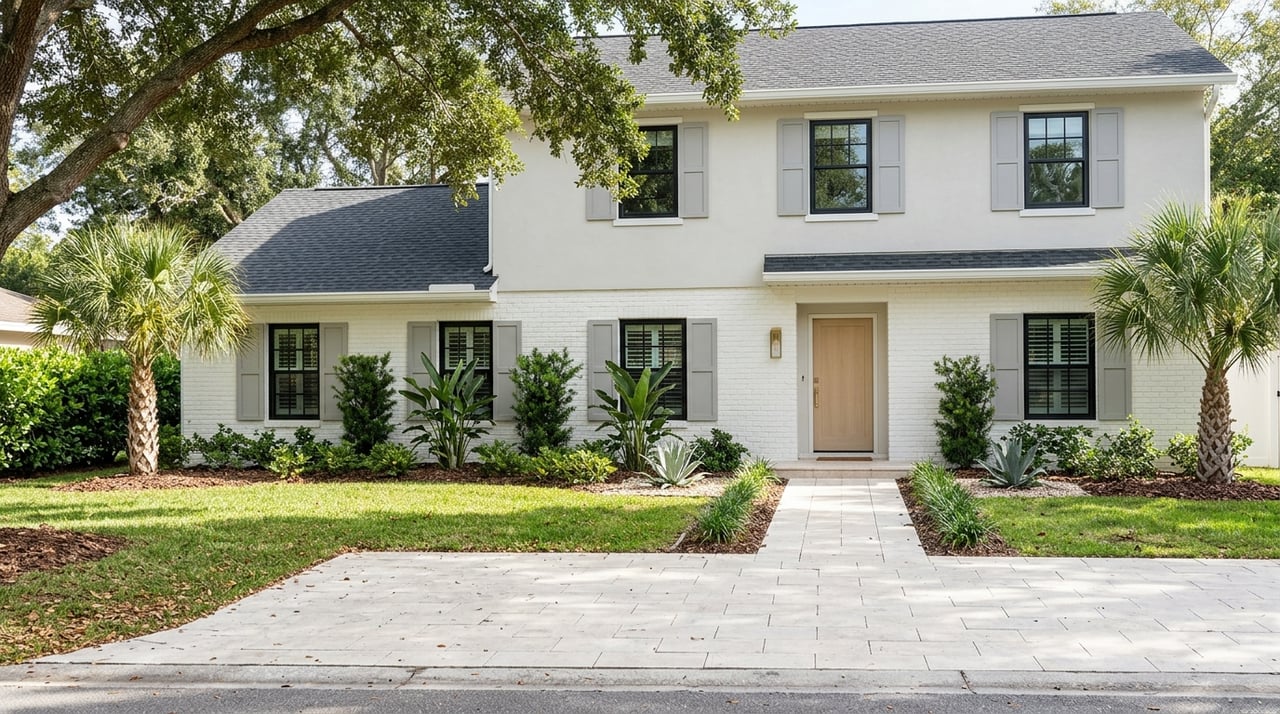
In Parkland, newer master-planned communities often pair contemporary homes with a more structured HOA or architectural review process. That can create a more consistent streetscape and take some exterior upkeep off your plate. It can also mean more rules around changes to your home and lot.
Communities like Parkland Bay and Watercrest are strong examples of this setup. These neighborhoods are designed around a shared lifestyle, with amenities, common standards, and association-managed systems playing a major role in the ownership experience.
According to the HOA, Parkland Bay has 552 homes, a guardhouse, five mail kiosks, common-area lakes, a park, and a walking trail. Club Grande includes a pool, fitness center, tot lot, two multi-sport courts, a fire pit, a bar area, and a culinary kitchen.
The community also has a clear maintenance structure. The HOA states that landscaping and irrigation are association-managed, with common grounds and individual homes cut 34 times per year and hedge or plant material trimmed 12 times per year. Homeowner plantings, however, remain the owner’s responsibility, which is an important detail if you want a low-maintenance home but still plan to personalize your yard.
Parkland Bay also shows how newer communities often handle design changes. Its architectural modification process generally takes about 30 days, which means exterior changes are possible, but not instant.
Watercrest also reflects the newer Parkland model. Its official HOA site shows a professional management structure and homeowner portal, and the community standards require ARC approval for items like exterior lighting and fences.
The standards also say that landscaping and lawn care for each lot and the common areas are managed by the association. They encourage hedges over fences to preserve the open character of the subdivision, and they require centralized mailboxes at the amenity center. For many buyers, that level of structure feels convenient and visually consistent. For others, it may feel limiting.
Four Seasons at Parkland is a useful newer-community example because it shows how much the living experience can be shaped by amenities. This 55+ gated community has 538 homes and a clubhouse with a grand ballroom, fitness center, yoga and Pilates studio, billiards and poker room, arts-and-crafts room, catering kitchen, beach-entry pool, lap pool, spa, bocce, pickleball, putting green, half basketball court, and championship tennis center.
Even if you are not shopping in a 55+ community, Four Seasons highlights an important Parkland pattern. In newer communities, the value is often tied to a full amenity package and a more managed lifestyle, not just the house itself.
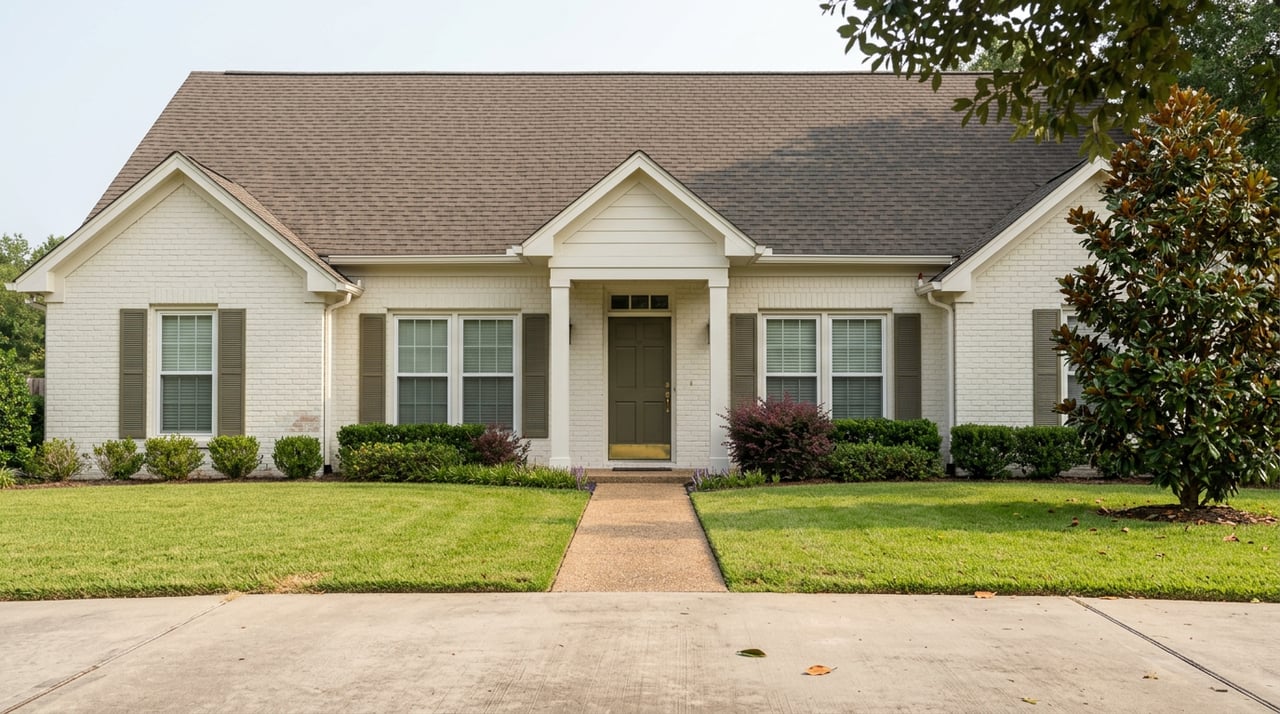
Established neighborhoods in Parkland often feel different in three key ways: lot size, landscaping maturity, and individuality. In many of these communities, the homes and lots are less standardized, which can give you more flexibility and a different sense of space.
The tradeoff is that established neighborhoods can also come with older infrastructure, more varied lot conditions, or responsibilities that fall more directly on the homeowner. That is why comparing these communities takes more than a quick look at finishes or age.
Pine Tree Estates is one of the clearest examples on the established end of the spectrum. It is known for custom homes on 1- to 3-acre lots, with most homes on about 1 acre, and housing that spans from the 1970s to the present. It also has no HOA and no guard gate.
That setup appeals to buyers who want privacy, room to spread out, and fewer community-level restrictions. At the same time, the city’s project page shows that Pine Tree Estates also comes with infrastructure realities. The city says it does not own the roads, the roads had never been paved, and a full-depth reclamation project is underway, with an updated assessment of $5,743 per buildable lot or $603 per year for 20 years.
This is a good example of the established-neighborhood tradeoff. You may gain lot size and flexibility, but you also need to understand the costs and obligations that can come with a less standardized environment.
Parkland Isles sits somewhere in the middle. It is an established community listed on the city’s HOA roster, and it offers a guard-gated setting with amenities such as a clubhouse, pool, tennis courts, playground, billiards, putting green, and heated pool and spa.
For buyers, this can be an appealing middle ground. You still get HOA-driven living and shared amenities, but in a neighborhood that is more mature and settled than the newest Parkland developments.
Parkland Golf & Country Club shows that established does not always mean less structured. This gated community spans about 790 acres and includes 878 single-family homes and 60 condominium residences in Caseras.
The club states that residents must have a Sports Membership, which covers dining, tennis and pickleball, resort pools, Kids Cove, fitness, classes, and club programming. Golf is a separate upgrade. For buyers considering this community, the decision is about more than the home. It is also about whether the membership structure and club lifestyle fit your budget and routine.
When you compare newer and established communities in Parkland, the cleanest summary is this: newer communities often offer predictability, amenities, and a more controlled streetscape, while established neighborhoods often offer larger lots, mature landscaping, and more individuality.
Neither option is automatically better. The better fit depends on how you want to spend your time, how much flexibility you want, and how comfortable you are with maintenance, rules, and long-term property responsibilities.
A newer community may suit you if you value:
This type of setup can work well if you want a more turnkey ownership experience and like the idea of shared amenities being part of everyday life.
An established neighborhood may be a better fit if you value:
That said, you should be ready to evaluate roads, lot conditions, and any infrastructure or assessment issues with extra care.
No matter which direction you are leaning, Parkland buyers should look closely at the community documents and not just the home itself. A beautiful property can feel very different once you understand what the neighborhood requires.
Here are a few smart questions to ask:
These questions can help you avoid surprises and make a more confident decision.
If lot size and privacy are at the top of your list, an established option like Pine Tree Estates may stand out more than a newer master-planned community. If low-maintenance curb appeal and shared amenities matter most, communities like Parkland Bay or Watercrest may feel like a better match.
If you are drawn to club amenities, communities such as Parkland Golf & Country Club or Four Seasons show how much value can be built around services, recreation, and programming. In those cases, you are not only buying a property. You are buying into a specific lifestyle structure.
The key is to look past the model-home appeal or the charm of mature trees and ask what ownership will feel like one, three, and five years from now. That is where the best decision usually becomes clear.
If you want help comparing Parkland neighborhoods based on your budget, lifestyle, and long-term goals, Portia Voss can help you narrow the options and move forward with confidence.
Stay up to date on the latest real estate trends.
Let’s work together to explore the best of Coral Springs, FL, and discover a home perfectly aligned with your lifestyle and aspirations.